Wellbeing

When “Normal” isn’t Normal

today30 April 2026

Background
share close

When “Normal” Isn’t Normal: What Andrea Atkin Taught Us About Abuse
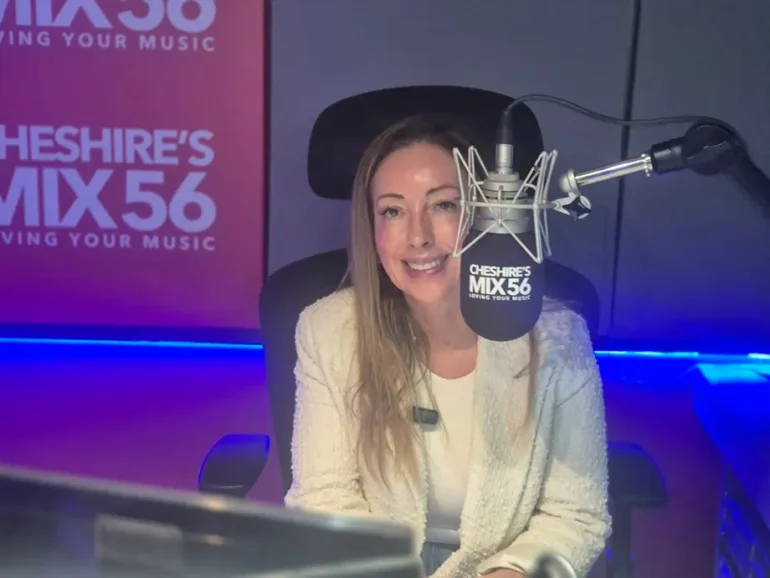
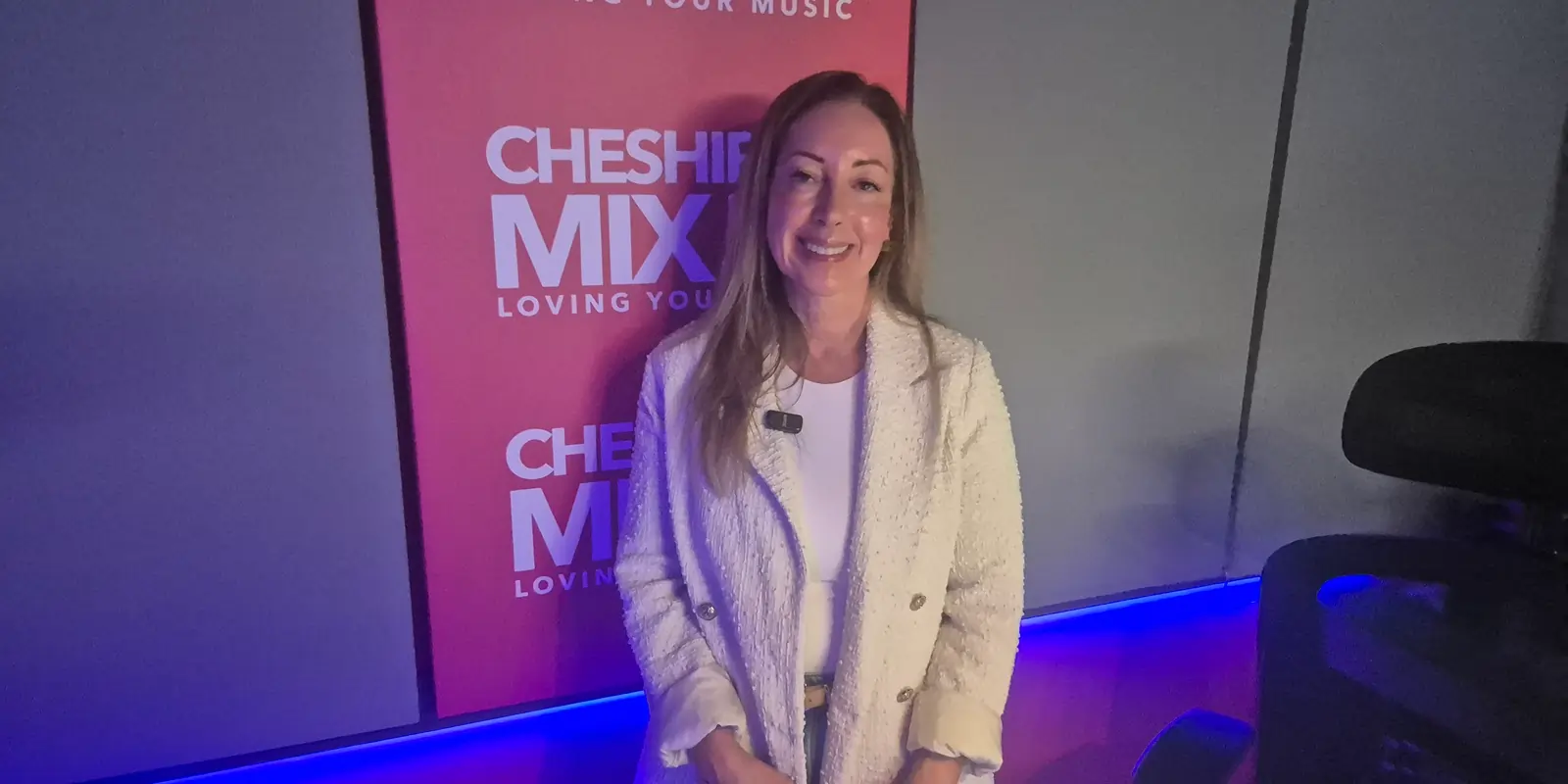
andrea atkin MIX56 divorce coach with phil in the morning
Divorce Coach Andrea Atkin joins Phil in the Morning on MIX56

I had the absolute pleasure of chatting with Andrea, our brilliant divorce coach, live on air this week – and wow, did we open a massive can of worms about what really counts as abuse in relationships.

Her recent social media post exploded with hundreds of comments, sparking debates that even shocked her, as people defended “normal” stuff like constant arguments over takeaways or “where are you going tonight?” questions that leave you feeling trapped at home.

Spotting the Subtle Signs

You know, it’s wild how everyday niggles can mask something deeper. Andrea nailed it: a single row is fine – we all disagree – but look at the pattern.

Are you walking on eggshells? Gaslit into doubting your own memory? Feeling controlled, like you can’t see mates, visit the doctor, or even choose your own job without hassle? That’s coercive control creeping in, not “just jealousy.”

She shared stories of people bombarded with 75 missed calls and 65 accusatory texts just for a girls’ night out, followed by silent treatment that isolates you completely. Over time, your world shrinks – no social life, no family, just your partner as your “only outlet.”

And it’s not just partners; Andrea hears from parents controlled by adult children at home, or vice versa. Shocking, right? Her post went on to gain thousands of followers in a very short space of time – she’s even Meta verified now – because it resonated worldwide, even reaching America.

The Boiling Frog Trap

Andrea used the perfect metaphor: the frog in boiling water. Drop a frog in hot water and it jumps straight out. Heat it slowly, though, and it stays put, numb to the danger.

That’s how abuse works – it starts small (slamming doors, kicking bins), escalates to threats, then physical violence. Emotional abuse like pushing personal boundaries without mutual consent, or financial control, can feel “normal” until an outsider points it out.

Fear keeps people stuck: fear of being alone, of the unknown after a split. One of Andrea’s clients put it perfectly: “When the pain of staying outweighs the fear of leaving, that’s when you make that choice to go.”

Abusers often lack insight – past traumas don’t excuse putting your family in fear. Adults resolve conflicts calmly, not in “child mode” outbursts. If you’re slamming pots thinking everyone does it, there’s a lot of help available now for emotional regulation – and it’s worth seeking out.

Not Just Women – Everyone’s at Risk

Important point: this happens to men too. Trafford Domestic Abuse Services (TDAS), who Andrea partnered with on her step-by-step guide, recently opened their first refuge for men.

The police take this seriously now – strangulation is at the very top of their risk assessment score sheet as a predictor of serious future harm. Intimate partner violence is their highest priority, with IDVAs (Independent Domestic Violence Advisors) on hand to help.

Even minor controlling behaviour – like forced holidays (I met a woman in a bar in Spain who was in tears about yet another trip that was all about him) – signals something deeper. If someone’s barking orders and grabbing arms in public, as Andrea witnessed at a holiday resort, imagine what’s happening behind closed doors.

Your Exit Roadmap

Ready to act? Andrea’s step-by-step guide is available free at the link below – no personal details needed.

First, prioritise safety.

Document everything – screenshot texts, record arguments covertly on your phone, photograph any injuries. Build that evidence, whether for the police or simply for yourself. Journaling hits different too; getting it down on paper makes things clearer.

Plan your finances, identify a safe place to go (refuges exist and are there for you), and build your support network – the more people who know, the more people can help. Remember: leaving is the most dangerous moment, because that’s when an abuser loses control and stalking can escalate. So exit smart.

Seek professional support – TDAS, the police, or a coach like Andrea.

Find her at @divorcecoachandrea on Facebook and Instagram, or her website Andrea Divorce Coach.

If something feels off in your relationship, start today. You’re not overreacting.

Chatting with Andrea reminded me – healthy love lets you be yourself.

If any of this rings bells, reach out.

You’ve got this, and we’re all here at Mix 56 cheering you on!

Listen Again
  • cover play_arrow

    Andrea Atkin Phil Roberts

FREE RESOURCE

Andrea's Guide to Leaving a Violent Partner
free

Written by: Phil Roberts