BEST OF THE GUESTS

Bad Reviews? Simon Anthony’s No-Nonsense Fix

today11 May 2026

Background
share close

Bad Reviews? Simon Anthony’s No-Nonsense Fix
simon anthony business coach Mix56
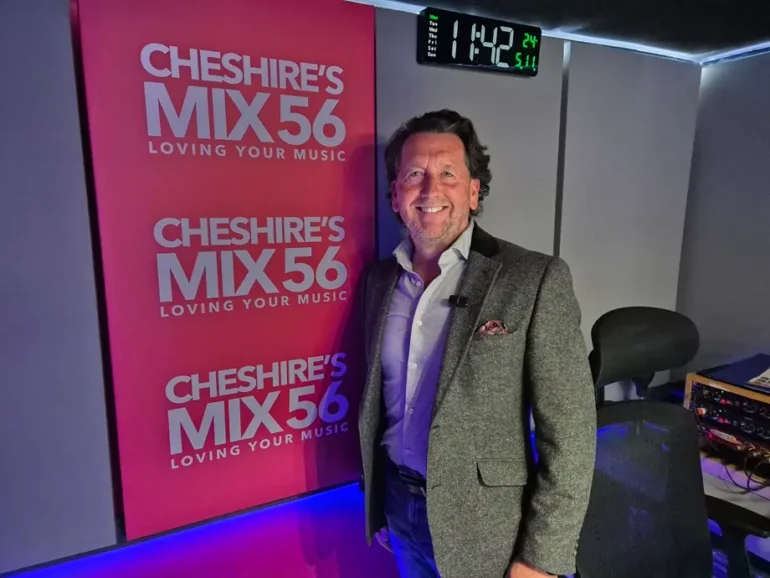
Business Coach Simon Anthony joins Phil in the Morning on MIX56

Phil Roberts on MIX56Phil

PHIL ROBERTS
THE MORNING SHOW

I’ve always been fascinated by customer reviews. The good ones are lovely, of course, but it’s the bad ones that really make people sit up.

And when I had Simon Anthony, our resident business coach on Cheshire’s Mix 56, in for a chat about how to deal with negative feedback, he came armed with some proper no-nonsense advice.

This wasn’t one of those fluffy “just stay positive” conversations either. Simon was blunt, practical and spot on. Bad reviews happen. The real question is what you do next.

Don’t reply angry

Simon’s first rule was simple: take the emotion out of it before you do anything else. And honestly, that makes complete sense. If someone has just posted a scathing review about your business, your first instinct is probably to fire back straight away.

That is exactly what you should not do.

Simon was absolutely right that replying in anger is one of the worst things a business owner can do. Once you’ve typed something in frustration, it’s out there. You can’t take it back. And in the heat of the moment, you often make the situation worse instead of better.

Remember who’s reading

One of the best points Simon made was that your reply isn’t really just for the person who wrote the review. It’s for everyone else reading it too.

That’s the bit people sometimes forget. A response to a bad review is public. It’s not just a private exchange between you and one unhappy customer. It tells every future customer what kind of business you run, how you handle pressure, and whether you’re professional when things go wrong.
And that matters.

Because when people are deciding whether to use your business, they’re not just looking at the complaint. They’re looking at your character.

There’s usually a reason

Simon also said something that really stuck with me: there ain’t no smoke without fire.
Now, that doesn’t mean every bad review is completely fair, and it certainly doesn’t mean every customer is right. But it does mean there is usually something worth looking at.

Even if the review feels harsh, there’s often a nugget in there that can help you improve.

Sometimes the complaint isn’t really about the thing the customer has written down. It might be a deeper issue underneath it. A cold meal might actually point to poor staff training. A delayed response might really be about weak communication. Simon’s point was that businesses need to look a little deeper and find the real cause.

Communication can make or break it

This was one of the strongest parts of the interview for me. So many complaints aren’t really just about the problem itself. They’re about how the problem is handled.

If a customer feels ignored, they get frustrated very quickly. But if they’re kept updated, told what’s happening, and given a proper explanation, they’re much more likely to stay on side. That’s true whether you’re running a restaurant, a shop, a salon or a service-based business.

People don’t always expect perfection. What they do expect is communication. And that can completely change how they feel about the business.

Take it offline

Simon was also very clear that public back-and-forth online is a bad idea. Once a review thread turns into a row, it usually gets messy fast. And nobody wins when that happens.

His advice was to write a calm, professional response, then invite the customer to continue the conversation offline. That could mean asking them to call, email or visit in person, depending on the type of business. It’s a much smarter way to deal with the issue, because it stops the whole thing becoming a spectacle.

I’ve seen enough online arguments to know he’s right. The minute things go public and personal, the original issue gets lost.

AI won’t save you

We also had a bit of a laugh about AI, because let’s be honest, plenty of people are tempted to shove a complaint into a chatbot and hope it spits out the perfect response.

Simon’s view was fair enough. AI can help with structure, but your reply still has to sound human. It has to feel genuine. A customer doesn’t want a cold, robotic response when they’re already annoyed. They want to feel heard.

And that’s the bit no machine can fully fake.

A bad review can help

As strange as it sounds, Simon made a brilliant point at the end: a bad review can actually be a good thing in the right circumstances.

If a business only ever has glowing five-star feedback, it can start to look a bit too perfect to be real. A small number of critical reviews can actually make the whole thing feel more believable. More importantly, if those complaints are handled well, they can turn an unhappy customer into a loyal one.

That was probably my favourite part of the chat. Because it shows that a mistake doesn’t have to be the end of the story. In the right hands, it can actually become an opportunity.

Simon Anthony, as always, gave us a properly useful business lesson with no fluff attached. If you get a bad review, don’t panic. Don’t lash out. Deal with it properly, learn from it, and maybe even win the customer back.

That’s not just good business. That’s good common sense.

Listen Again
  • cover play_arrow

    Bad Reviews? Simon Anthony’s No-Nonsense Fix Phil Roberts


Dealing with Negative Reviews

Simon's free reference chart to dealing with negative reviews
free

Written by: Phil Roberts