-
 play_arrow
MIX 56 CHESHIRE'S BEST MUSIC MIX

Why Money Education Matters

“We’re Invited to Take on Debt at a Really Early Age” – Why Money Education Matters
 Phil
Phil
PHIL ROBERTS
The Morning Show: 23rd January 2026
Cheshire Money Coach Tells It Straight
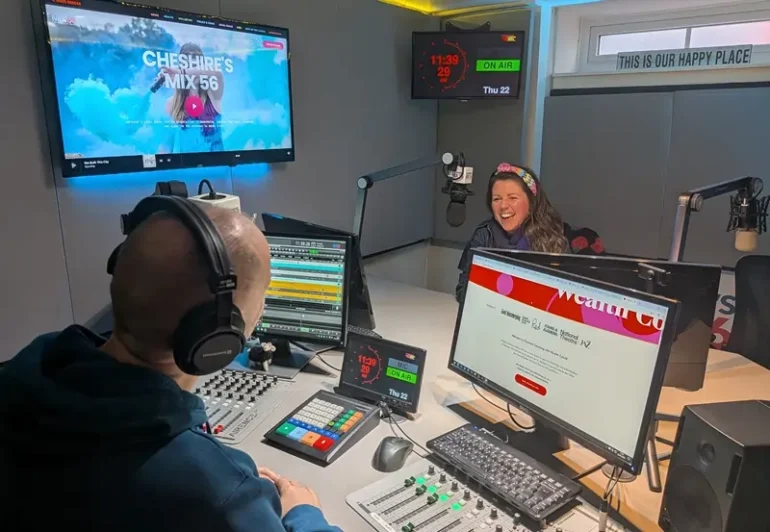
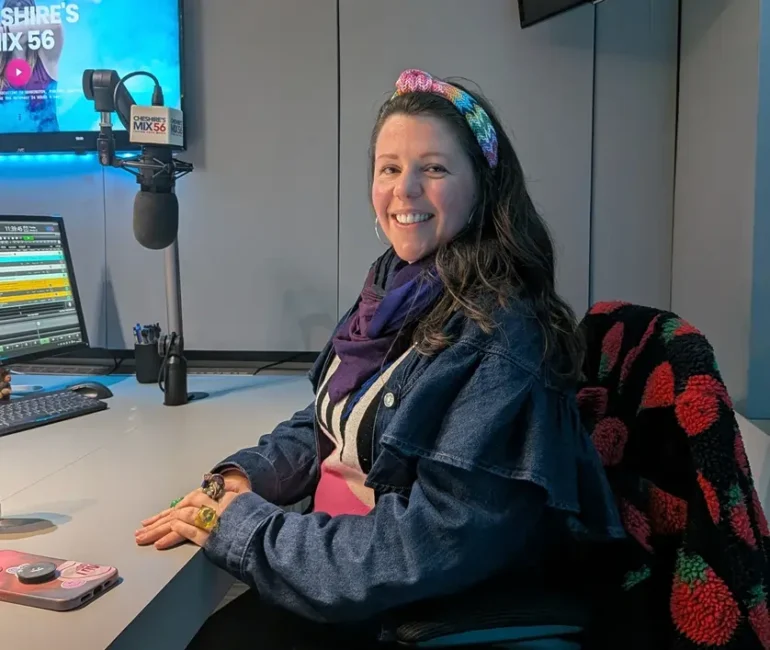
Sara Jane Maxwell doesn’t mince her words. When the wealth coach sat down with me this week, she cut straight to one of the biggest financial traps facing young people today – and it starts the moment they leave school.
“We’re invited to take on debt at a really early age,” Sara explained. “If people decide to go to university, the banks are falling over themselves to say, take out this interest-free credit card, take out this interest-free loan. It’s been almost thrown at you like free money.”
The problem? Most young people have never been taught how to manage it.
The Education Gap
Sara’s point hit hard because it’s so obviously true. Students arrive at university with loan offers flooding in, credit cards practically pre-approved, and overdraft facilities that seem consequence-free. The banks make it sound like a gift, not a commitment.
“Having never been taught – because it wasn’t taught in schools – people maybe are not ready to have that responsibility of carrying debt,” Sara said.
The result is predictable: young people blame themselves for getting into financial trouble, and it becomes a revolving cycle that never stops.
And here’s the kicker: “People in the UK don’t talk about money.”
The Silence Around Money
This is where Sara’s work as a wealth coach gets really interesting. She’s not just crunching numbers – she’s unpicking decades of awkwardness around discussing finances.
I admitted to her that even friends in long-term relationships often don’t talk about money. They let it come in, go out, and avoid the conversation entirely.
Dinner table chat about finances? “Oh, not now. Let’s talk about the dog or the cat – anything but money.”
Sara traces this back to childhood. “A lot of that will come from there being arguments at home, so it being the taboo subject that nobody talks about.”
She runs a programme specifically for couples where people learn about their own relationship with money first, then share that with their partner. “We make so many assumptions about our partner based on our own money story and journey,” she explained. “There’s something really quite special about finding out the truth.”
It’s Not Just for the Wealthy
One thing Sara was adamant about: financial wellbeing isn’t an elite concern. Anyone earning any amount can start taking control.
“You could start with a quid. You start with a fiver,” she said. “It’s all about creating those systems where you look at the start of the month and think, okay, I can only put away a fiver. Great. You’re starting.”
The key is changing your identity from somebody that saved nothing to I’m saving a portion of my wage. Even small amounts compound over time, and more importantly, you’re building a habit that serves you.
Getting Started
Sara’s first step with new clients isn’t spreadsheets – it’s questions. What does good with money actually mean to you?
What patterns from your past have created your current money story?
What would you like to change?
“What’s important in our roles is not judging our clients’ map of the world, but really finding out what that looks like for them,” Sara said. Your financial life should reflect your values, not someone else’s idea of success.
If young people were taught this before the banks came knocking with free money, imagine how different things could be.
Find out more about Sara Jane Maxwell at wealth-coach.co.uk or follow her on Instagram
Hear the interview on Phil in The Morning right here.
Listen Again: Sara Jane Maxwell
-
 play_arrow
Why Money Education Matters Phil Roberts