-
 play_arrow
MIX 56 CHESHIRE'S BEST MUSIC MIX

The Silent Killer in Your Home: Carbon Monoxide

The silent killer in your home: Cheshire urged to check carbon monoxide alarms this winter
Know the symptoms
One of the most worrying aspects of CO poisoning is that its early symptoms can easily be mistaken for a cold, flu, tiredness or even a hangover.
Symptoms can include:
- Headaches
- Nausea or vomiting
- Dizziness
- Breathlessness
- Tiredness, weakness or confusion
- Collapse or loss of consciousness
A useful warning sign is if symptoms improve when you leave the property or spend time outdoors, then return when you go back inside. That pattern can suggest a problem within the home.
If you think you may have CO poisoning, stop using the appliance you suspect, get outside into fresh air and seek medical advice. Do not go back into the affected building until you have received advice.
Call NHS 111 if you think you may have symptoms; call 999 or go to A&E in an emergency.
What to do if the alarm sounds
If your CO alarm sounds, or you suspect a leak:
- Stop using the appliance and, if it is safe to do so, switch it off.
- Open doors and windows to ventilate the property.
- Leave the building immediately and do not go back inside.
- Call the free National Gas Emergency Service on 0800 111 999.
- Seek urgent medical advice if anyone feels unwell.
A gift that could save a life
It may not be the most glamorous item in a Christmas stocking, but Suzanne’s advice makes a strong case for putting a carbon monoxide alarm on the gift list this year.
For around the price of a festive treat, a properly certified CO alarm could protect a parent, grandparent, student, new homeowner or anyone living alone. It is a practical, potentially life-saving present—particularly for someone moving into a new home, using a wood-burner, or relying on an older boiler or fire.
CO alarms are widely available from supermarkets, DIY stores and online retailers. Before buying, check the packaging for compliance with BS EN 50291 and the BSI Kitemark.
Cheshire’s winter checklist
- Check that you have a CO alarm in every room with a fuel-burning appliance.
- Test the alarm and replace batteries or the unit if needed.
- Make sure it is positioned one to three metres from the appliance.
- Book a service for boilers, fires and other fuel-burning appliances.
- Keep vents, airbricks, chimneys and flues clear.
- Save the gas emergency number: 0800 111 999.
- For more information, visit CADENT GAS
A carbon monoxide alarm may be a small box—but, as Cadent’s campaign makes clear, it could be the most important thing in the room.
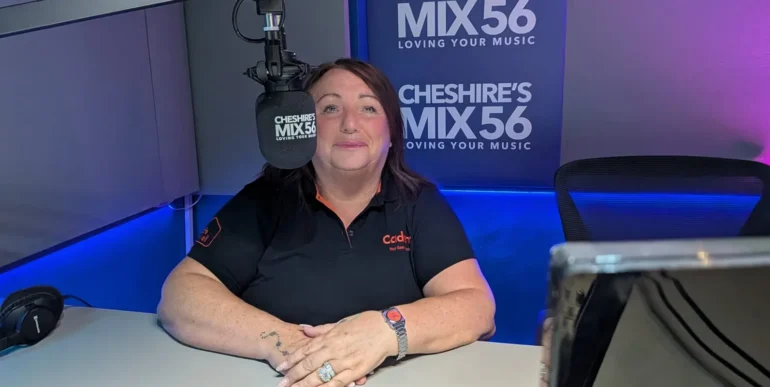
Listen Again: Suzanne from Cadent
-
 play_arrow
The Silent Killer in Your Home: Carbon Monoxide Ian