-
 play_arrow
MIX 56 CHESHIRE'S BEST MUSIC MIX

Conkers, Elderberries and the Turning of the Year
Barbara With Herbs on why nature knows autumn is coming before your smartwatch does
 Phil
Phil
PHIL ROBERTS
THE MORNING SHOW
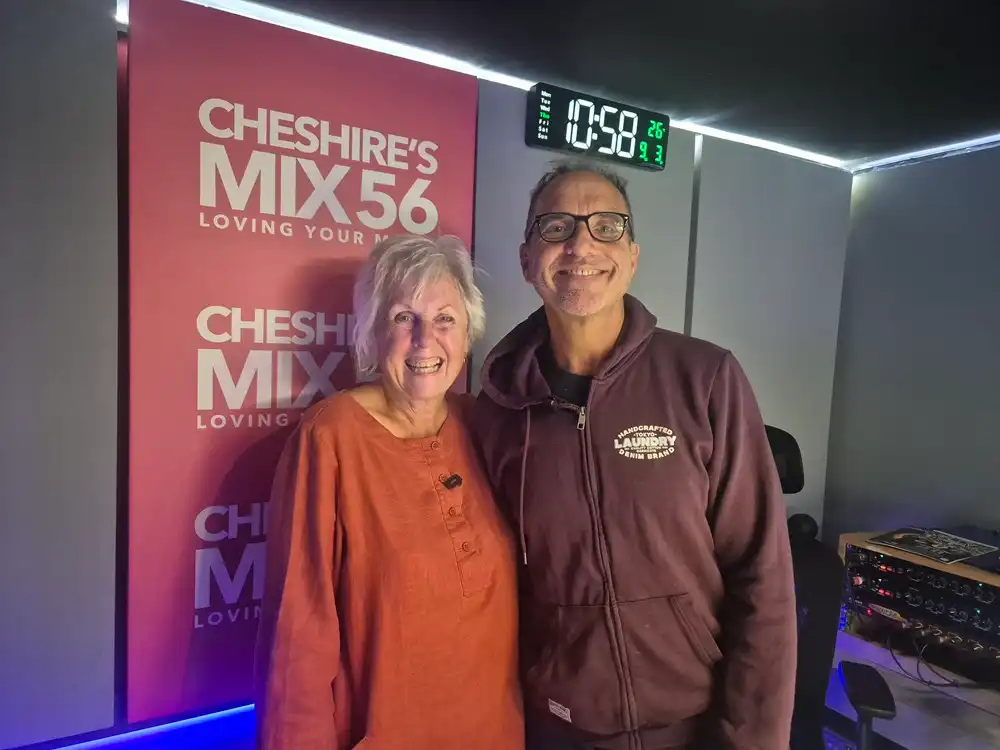
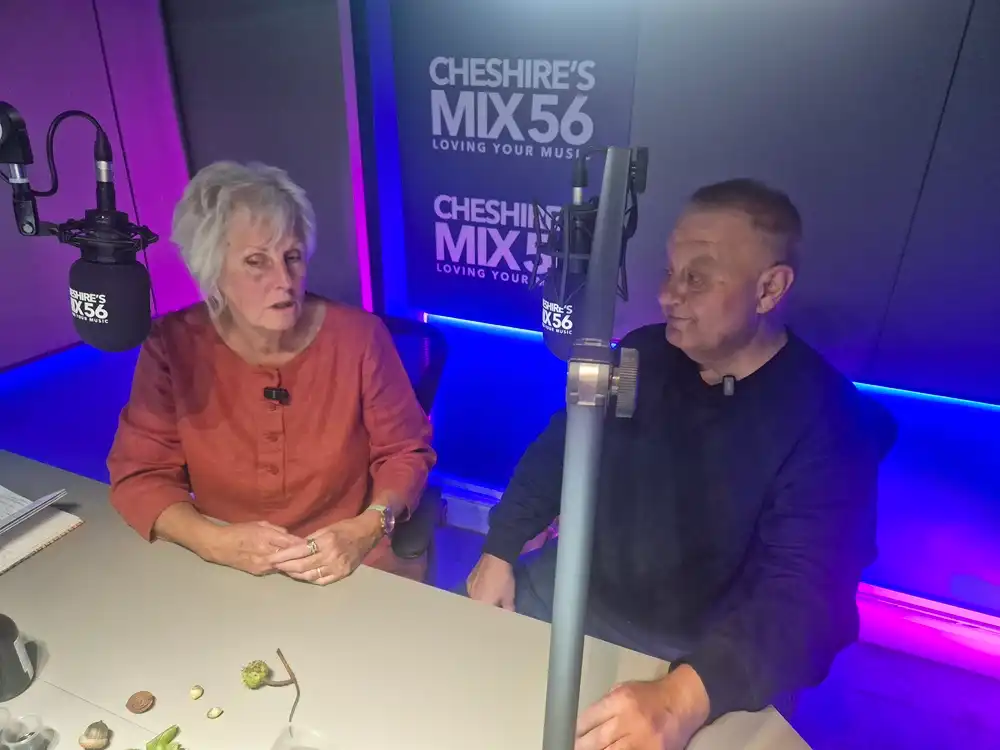
It’s the first Thursday of the month, which on Phil In The Morning means one thing: Barbara With Herbs is back in the studio — and this time she’d brought most of a Cheshire hedgerow in with her!
We were also joined by Ian James from Good Morning Cheshire, who comes in for these ones whether I invite him or not. (I didn’t. He just walked through the door.)
We started somewhere daft — Barbara reckons she does a very passable Celine Dion in her kitchen — and ended up somewhere genuinely useful.
Let nature be your guide
Barbara’s big theme this month was seasonal change, and how badly most of us read it.
Our ancestors, she pointed out, lived by the stars, the moon and the sky. They didn’t have clocks or watches. They built standing stones and pyramids by watching what was happening above them and around them.
Now? We’ve got something strapped to our wrist telling us our resting pulse, and half of it isn’t even accurate. Barbara’s view is that all that monitoring makes people anxious and stressed when the far better guide is sitting right outside the window.
And nature has been shouting this year. After the scorching summer, the trees have been shedding early and the leaves have been turning brown early. Everything has come forward.
That’s not a tree in trouble — that’s a tree being sensible. As Barbara put it, nature’s instinct is to let go of what it can’t sustain, protect the roots, and come back stronger next time. She reckons we could all take the hint.
September is the in-between month
I mentioned that the roads were full of miserable people that morning, and Barbara wasn’t surprised. September, she says, brings a kind of grieving — people have had their summer life and they don’t want to give it up.
But in the UK we get a summer life and a winter life, and right now we’re in neither. It’s still mild, we can still sit out in the evening, we might just want a cardigan or a throw close to hand.
At which point I had to admit I don’t own a throw. Or a blanket. Or, as it turns out, a summer school uniform. Barbara has offered me a chat about it off air.
Conkers: free washing liquid from the hedgerow
Here’s the one that stopped me dead.
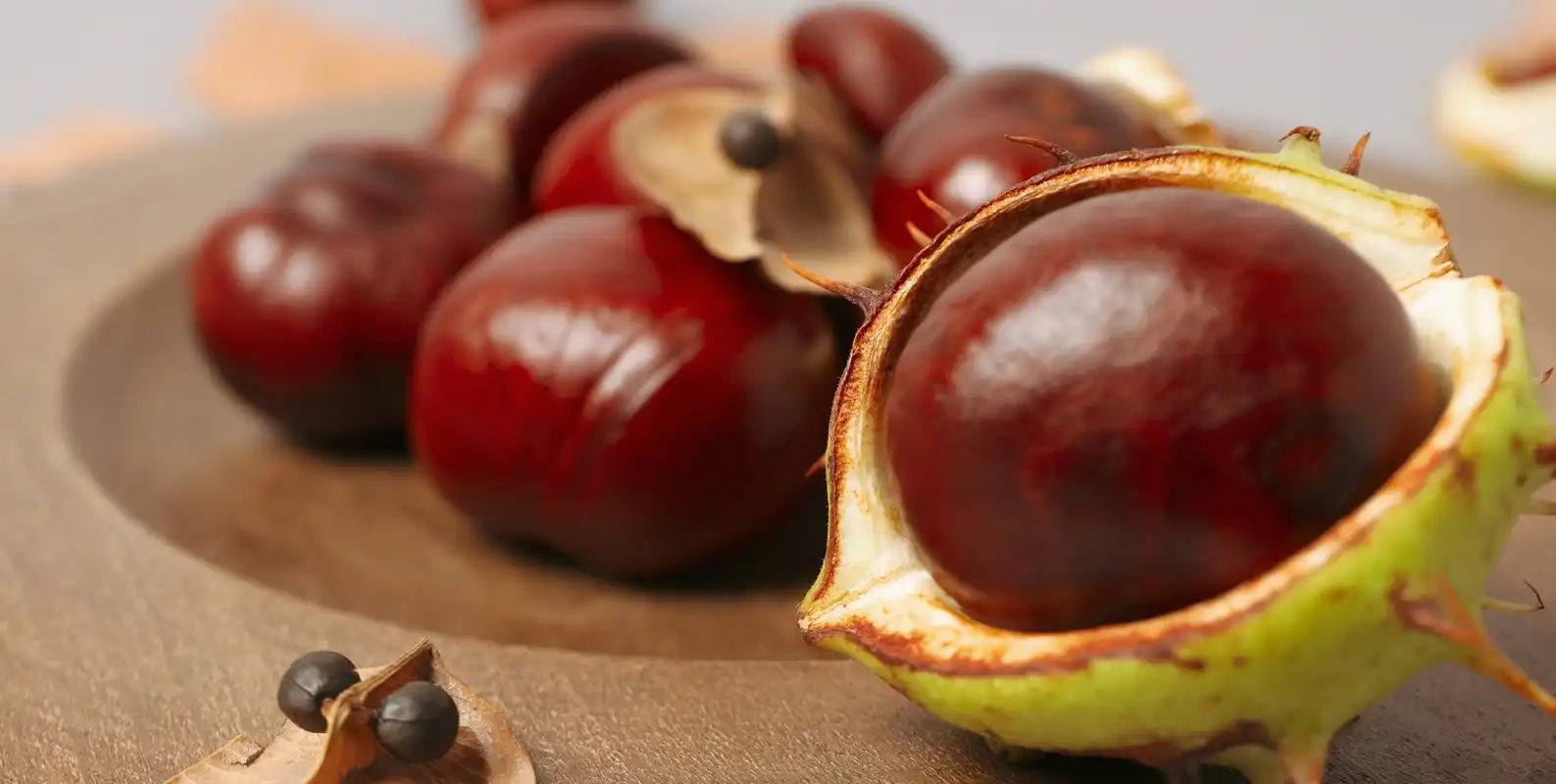
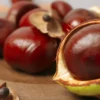
Conkers — the seeds of the horse chestnut — contain saponins, which is the chemical name for things that behave like soap. Cut them up while they’re still soft, dry them, store them in a jar, then pop a handful into a little net or muslin bag and stick it in your washing machine. It creates its own soapy solution and cleans your clothes.
Free laundry liquid, growing on trees all over Cheshire. Barbara’s point: this is exactly the kind of knowledge that gets lost within a generation or two if nobody keeps talking about it.
Horse chestnut also has a long history in herbal medicine for varicose veins and swollen ankles, made up into tinctures and ointments — but that’s practitioner territory, not kitchen territory. And no, you can’t eat a conker.
Sweet chestnuts are a completely different tree and completely edible. Roast them, or grind them into chestnut flour, which is heart-healthy and used across Europe for cakes and baking. We used to do it here too, and Barbara thinks it’s a bit ridiculous that we’ve forgotten.
The brown bottle: elderberry syrup
Then out came the brown bottle.
Raw elderberries straight off the tree aren’t a good idea — they contain a compound related to cyanide, which sounds alarming until Barbara explains it properly. One or two probably wouldn’t trouble you. A big handful and your body would try to purge it.
Cooked, they’re completely safe — and that’s what elderberry syrup is. Barbara makes hers every year with star anise, true cinnamon, cardamom, root ginger, peppercorns, unwaxed lemons, cloves and unrefined sugar. It’s what she uses to support the immune system right through winter.
Note the language, by the way. Barbara doesn’t say boost — that’s a pharmaceutical word. She says support and strengthen, so the body is in better balance and anything you do pick up doesn’t hang around as long.
Ian and I both tried it. It smells of cinnamon and it’s absolutely delicious. Sealed it keeps for a year or more; once open, it lives in the fridge.
Blackberries, rose hips and what else is out there
Blackberries you can eat straight off the bush. Dark berries are full of anthocyanins, vitamin C, antioxidants and flavonoids — the real thing, not a pill in a bottle. One caveat: eat a lot of them and they’ll slow you down, because dark berries are constipating in quantity. The leaves make a lovely brew, as do raspberry and blackcurrant leaves.
Rose hips are the classic autumn find. Make a syrup or a decoction, but strain it properly — those fine hairs inside are literally where school itching powder came from.
And then there’s the whole nut season arriving: cobnuts, hazelnuts, and yes, almond trees growing as street trees around Cheshire. Acorns can be turned into flour, but Barbara says it’s an enormous faff and she wouldn’t bother!
Mabon and the Harvest Moon
All of this builds to Mabon, the celebration tied to the autumn equinox — which this year falls in the early hours of Wednesday 23 September.
The Harvest Moon follows on Saturday 26 September, which is what Barbara and generations before her have looked to as the real marker of harvest.
Harvest festival, she reminded us, was always about fresh and homemade produce. Tins and jars are a modern convenience, not a tradition.
Where to find Barbara
Barbara is a local medical herbalist working from home here in Cheshire, and she doesn’t bother with a website — it’s all word of mouth. You can find her through The Herb Society, or get in touch with us here at mix56.co.uk and we’ll point you the right way.
She’s also offered to take questions from listeners, so if there’s something you’ve always wondered about the hedgerow, send it in and we’ll put it to her next time.
Barbara is in on the first Thursday of every month. If you missed the last one on staying cool with herbs, it’s still worth a listen.
As always with herbal medicine — if you’re pregnant, taking prescribed medication or managing a health condition, have a word with a qualified practitioner or your GP before trying anything new.
Listen Again
-
 play_arrow
Conkers, Elderberries and the Turning of the Year Phil Roberts