News

Avanti West Coast takeover: what passengers can expect
todayMon 28 Sep 26

Background
share close

What will Avanti nationalisation mean for passengers?

Tony Miles rail expert and commentator joins MIX56 Avanti West Coast nationalisation
Rail Journalist & Commentator Tony Miles joins Good Morning Cheshire on MIX56

Phil

SMITHY & IAN
GOOD MORNING CHESHIRE

Rail expert and commentator Tony Miles joined Smithy and Ian on MIX56

Avanti West Coast services will be brought into public ownership from 7 March 2027, when the company’s current operating contract comes to an end.

The Government says the move will mean West Coast services are run in the interests of passengers, rather than private-sector shareholders. Labour says money previously paid to the private operator will instead be spent on improving the railway.

But for passengers, the change is unlikely to mean an immediate transformation. Trains, routes and timetables are expected to continue much as they do now in the short term, with improvements introduced gradually under the Government’s wider plans for Great British Railways.

What could change?

The Government says nationalisation will be supported by an improvement plan aimed at tackling some of the line’s long-running problems.

That includes:

  • An extra £10 million for power and signalling maintenance, on top of £840 million already planned for infrastructure improvements.
  • Timetable changes, particularly on services to and from Manchester, with the aim of making journeys more reliable.
  • A £50 million programme of improvements at London Euston, including more seating, better waiting areas and refurbished toilets.
  • A further £10 million for improvements at other stations along the West Coast Main Line.
  • Work to provide more reliable Wi-Fi and mobile phone coverage on board trains.

The Government says infrastructure problems currently account for around a third of delays on the West Coast Main Line.

What about reliability?

Reliability is likely to be the biggest test of whether nationalisation makes a real difference.

Avanti has faced criticism over delays, cancellations, overcrowding and timetable changes. The operator has also been described as one of the worst-performing large rail companies for punctuality and cancellations.

However, taking the operator into public ownership will not, by itself, repair the railway line or instantly provide more trains and staff. The West Coast Main Line is an extremely complex route, carrying high-speed passenger services, commuter trains and freight.

Network Rail describes it as the busiest mixed-use railway in Europe. It links London with the West Midlands, the North West and Scotland, while also carrying millions of passengers and a significant proportion of the country’s rail freight.

That means a problem with signalling, overhead power equipment or track can have a knock-on effect across a very large part of the network.

What does it mean locally?

For people in our region, Warrington Bank Quay and Crewe are particularly important stations on the route.

Warrington Bank Quay provides connections for long-distance services between London, Birmingham, the North West and Scotland. Crewe is a major railway junction, with connections towards Manchester, Liverpool, Chester, North Wales and other parts of the country.

So any improvement to reliability on the West Coast Main Line could benefit passengers travelling from both stations — as well as those using nearby services at Wigan North Western.

But the same is true in reverse: disruption on the main line can quickly affect journeys across the region.

Will tickets become cheaper?

Passengers should not expect ticket prices to be slashed when Avanti becomes publicly owned.

Nationalisation changes who operates the service, but it does not automatically remove the costs of running trains, maintaining tracks, paying staff or improving infrastructure. Fares are also influenced by wider Government decisions and the way the rail network is funded.

The Government has pointed to a national rail fare freeze as evidence that public ownership can help make journeys more affordable. But there is currently no promise of a dramatic reduction in Avanti fares.

So, while passengers may eventually see better value and a more joined-up railway, cheaper tickets are unlikely to happen overnight.

The bigger picture

The takeover of Avanti is part of Labour’s plan to bring most passenger rail services into public ownership as existing private contracts expire.

The long-term aim is to bring services and infrastructure together under Great British Railways. Supporters say that could reduce fragmentation and make it easier to plan improvements across the whole network.

Critics would argue that the real issue is not simply who owns the train company, but whether there is enough investment, capacity and effective management to deliver a dependable service.

For passengers, the key question is therefore simple: will trains turn up on time, will cancellations fall, and will fares become better value?

Nationalisation may provide the Government with greater control — but, as rail expert Tony Miles told Smithy and Ian on the breakfast show, the biggest changes are likely to take time. The ownership may change in March, but the passenger experience will depend on what happens afterwards.  You can listen again right here.

  • cover play_arrow

    Tony Miles on Avanti Nationalisation Ian
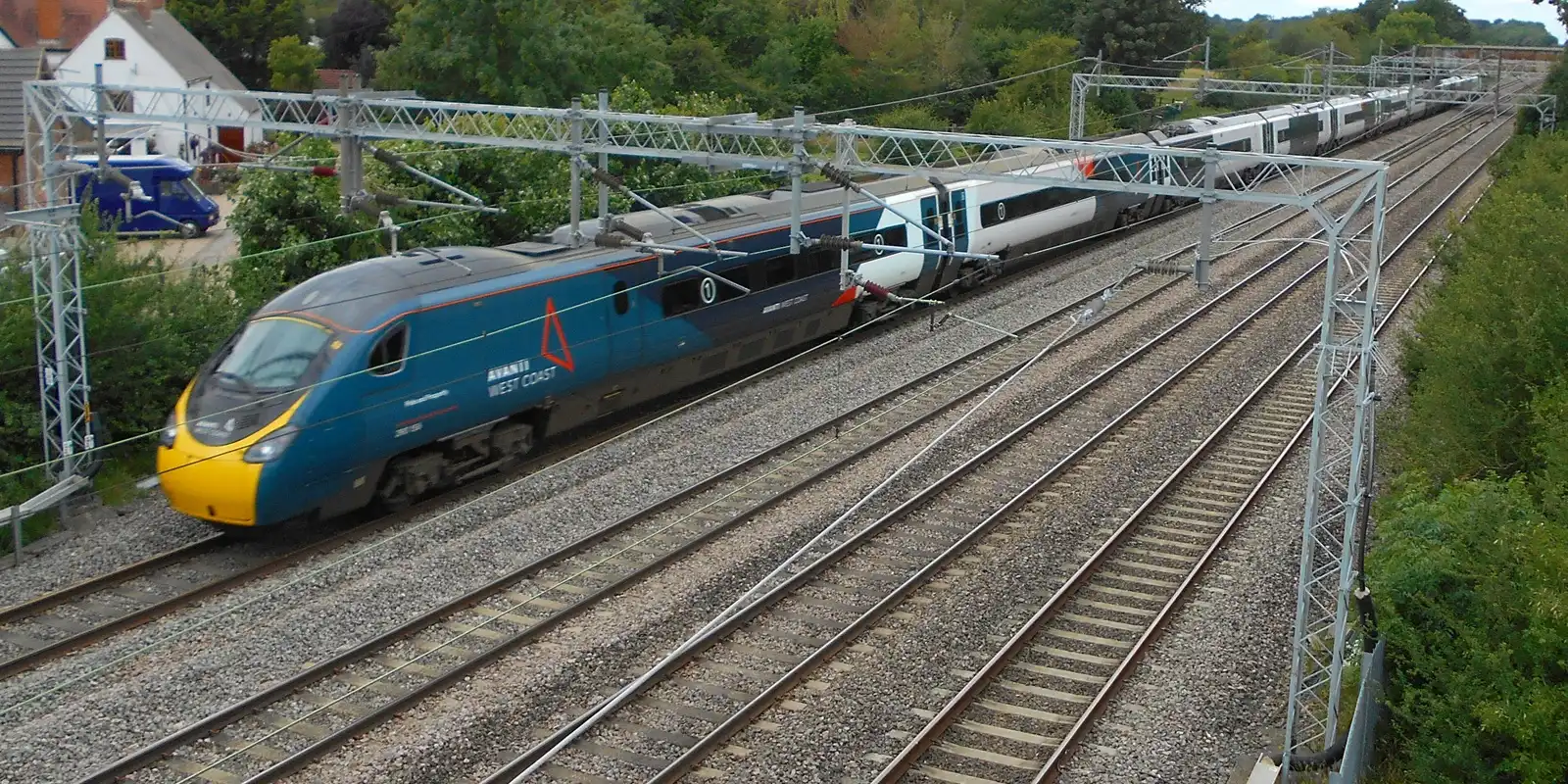
Header Image: G-13114, CC BY-SA 4.0, via Wikimedia Commons

Written by: Ian