chevron_left
-
 play_arrow
MIX 56 CHESHIRE'S BEST MUSIC MIX
play_arrow
Mr Narendra Rath talks about modern spinal surgery
-
 play_arrow
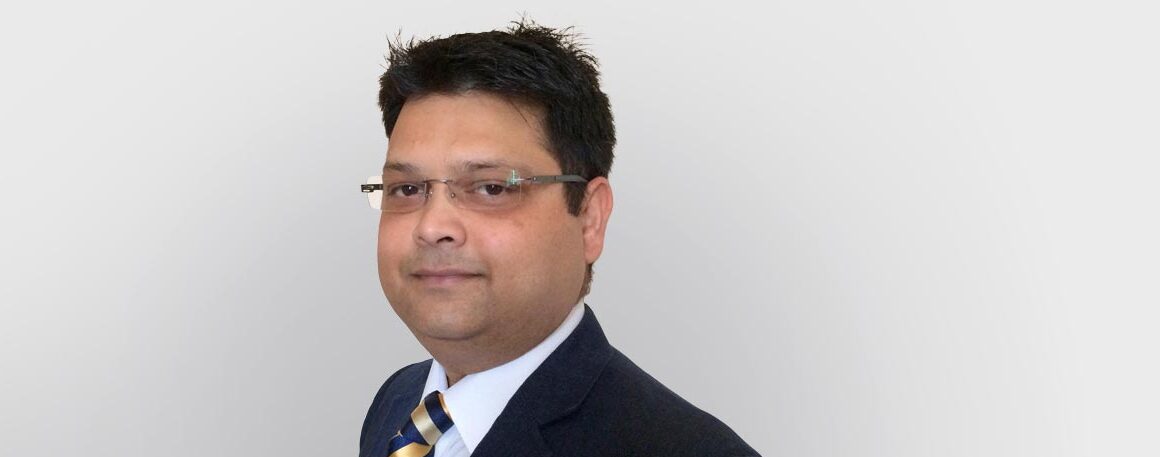
Mr Narendra Rath talks about modern spinal surgery Spire Cheshire Hospital
Meet the Consultant: Mr Narendra Rath on back pain, sciatica and modern spinal surgery
In the latest episode of Meet the Consultant, recorded with Spire Cheshire Hospital, we sit down with Mr Narendra Rath, a consultant spinal surgeon, to demystify some of the most common causes of back pain and explain how today’s treatments—from medication to minimally invasive surgery—are helping people get back on their feet faster.
Common back conditions explained
Mr Rath walks us through three conditions he sees every day in clinic:
Slipped (herniated) disc – Despite the name, discs don’t actually “slip”. A slipped disc is when a soft cushion of tissue between the spinal bones bulges or herniates and can press on nearby nerves, causing back and leg pain.
Sciatica – This is nerve pain that travels from the lower back down through the buttock and leg, often caused by a bulging disc irritating the sciatic nerve. It’s particularly common in people in their 30s and 40s.
Spinal stenosis – As we age, the bony tunnels in the spine can narrow, compressing nerves or the spinal cord. This typically causes pain, numbness or weakness in the legs that worsens with standing or walking and eases when sitting or bending forwards.
Treatment options: from medication to surgery
Most back and leg pain improves with time, activity modification, pain relief and physiotherapy. Mr Rath emphasises that surgery is only considered when symptoms persist despite conservative care, or when there are concerning neurological signs.
Treatment pathways often include:
Medication – Over-the-counter anti-inflammatories like ibuprofen, or short-term prescribed painkillers and muscle relaxants.
Physiotherapy and exercise – Targeted stretches and strengthening can make a real difference; it can take 6–8 weeks of consistent exercise to notice improvement.
Injections – For some patients, spinal injections can reduce inflammation and pain.
Surgery – If symptoms don’t improve, or if there’s worsening weakness or numbness, surgical options such as discectomy (removing part of a disc) or decompression for spinal stenosis may be discussed.
Advances in diagnosis and minimally invasive surgery
One of the biggest changes in spinal care has been the role of advanced imaging and keyhole techniques.
MRI scans now allow surgeons to pinpoint exactly which disc or nerve is causing symptoms, guiding more precise treatment plans.
Endoscopic (keyhole) spinal surgery uses a tiny incision and a camera to operate on the spine with minimal disruption to muscles and tissues. This approach reduces blood loss, lowers infection risk and supports earlier recovery.
Mr Rath has helped develop endoscopic spinal surgery services at The Walton Centre—a European Centre of Excellence for neurology and neurosurgery—and now performs these procedures routinely across both NHS and private practice.
Self-medication and knowing the red flags
While many people manage mild back pain at home with rest, gentle movement and over-the-counter pain relief, Mr Rath warns there are “red flag” symptoms that should never be ignored. Seek urgent medical advice if you experience:
Worsening muscle weakness or numbness in the legs
Loss of bladder or bowel control
Severe, unrelenting pain that doesn’t improve with rest or medication
Back pain accompanied by fever, unexplained weight loss or a history of cancer
These could indicate serious underlying problems that need prompt assessment.
About Mr Narendra Rath
Mr Narendra Rath is a Consultant Spinal Surgeon at Spire Cheshire Hospital, Spire Yale Hospital and Spire Abergele Clinic. He also practises at The Walton Centre, where he developed the endoscopic spinal surgery service. You can find out more at his own website: Cheshire Spine
Prior to this, he trained in spinal surgery at the Robert Jones and Agnes Hunt Orthopaedic Hospital in Oswestry and the University Hospital of Wales. He specialises in minimally invasive endoscopic spinal surgery and manages the full range of adult spinal conditions—from degenerative disc disease and spinal stenosis to fractures, tumours and infections.
A strong advocate of patient-centred care, Mr Rath believes that “an informed patient is a happy patient”—a philosophy reflected in his approach to diagnosis, treatment and follow-up, and in positive patient feedback on platforms such as iWantGreatCare.
Listen again
Tune in to the full Meet the Consultant podcast to hear Mr Rath’s expert insights on living well with back pain, when to seek help, and how modern spinal surgery is changing outcomes for patients across Cheshire and beyond.
- Vies Mr Rath’s profile and book an appointment at: Spire Cheshire Hospital