Feature

Dr Rosie: Coping in extreme heat

today23 June 2026

Background
share close

Dr Rosie:  The Heat is On

As temperatures climb, Dr Rosie shares practical advice to help you stay safe over the coming days

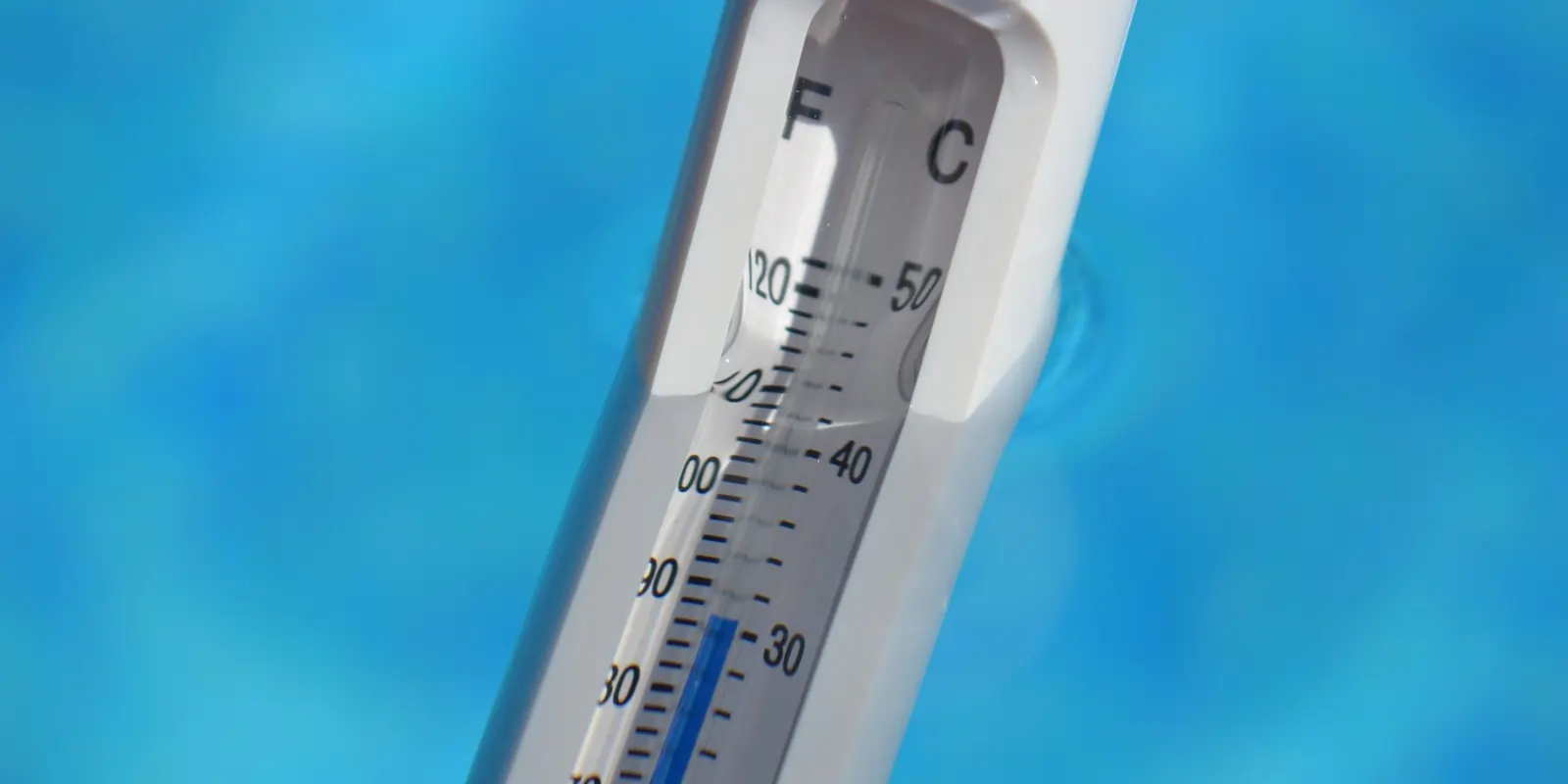
With forecasts suggesting parts of the UK could exceed 35°C, and a rare Met Office Red warning in place for extreme heat, this is not just a spell of nice weather—it’s something to take seriously.

Closer to home, Cheshire is under an Amber warning, with highs of around 33°C expected. Add in the humidity, and even everyday tasks can start to feel exhausting.

So how can we cope?

First and foremost, hydration is key. Regular fluids are essential, and for most people, plain water does the job perfectly well. You don’t need specialist sports drinks unless you’re doing prolonged or intense physical activity. Tea, coffee, and even fizzy drinks can all contribute to your fluid intake—but do be mindful of caffeine, as too much can have a dehydrating effect.

Keeping your home cool can make a big difference. It may feel counterintuitive, but during the hottest part of the day, it’s best to keep windows, curtains, and blinds closed—especially on sun-facing sides. Then, as temperatures drop later in the evening or early morning, open windows to let cooler air circulate. If possible, open windows on the shaded side of your home to create airflow.

Simple cooling tricks can go a long way. Cold flannels, damp towels, or even an ice lolly can help bring your body temperature down.

Fans can be useful too—but as Dr Rosie explains, if the indoor air becomes hotter than your body temperature, a fan may just move warm air around rather than cool you, so it’s important to use them wisely.

It’s also a good idea to adjust your routine. Avoid strenuous activity during the hottest parts of the day, typically between 11am and 3pm. If you need to be outside, wear loose, light-coloured clothing, a hat, and sunscreen, and take regular breaks in the shade.

Food choices can help as well. Lighter meals such as salads, fruits, and cold dishes are easier to digest and less likely to raise your body temperature. Foods with high water content—like cucumber, watermelon, and strawberries—can also support hydration.

Look after yourself and others

Do keep an eye on others. Elderly neighbours, young children, and those with underlying health conditions can be more vulnerable in extreme heat. A quick check-in or helping hand can make a real difference.

The same goes for pets. Make sure they always have access to fresh, cool water and a shaded place to rest. Never leave animals in parked cars, even for a short time.

If you’re taking medication, continue as prescribed. Don’t skip doses because of the heat—but do store medicines according to instructions, as some can be affected by high temperatures. If you’re unsure, a pharmacist can advise.

Finally, know the signs of heat exhaustion: dizziness, headaches, excessive sweating, and feeling sick or faint. If these symptoms don’t improve with rest and cooling, it’s important to seek medical advice.

Dr Rosie covers more on this in the latest Health Update with Spire Cheshire Hospital — but in the meantime, a few small adjustments can make a big difference in staying safe and well during this hot spell.

Listen Again: Dr Rosie
  • cover play_arrow

    Dr Rosie: Coping in extreme heat Ian

Written by: Ian