-
 play_arrow
MIX 56 CHESHIRE'S BEST MUSIC MIX

Create a Wildlife Haven in Your Garden
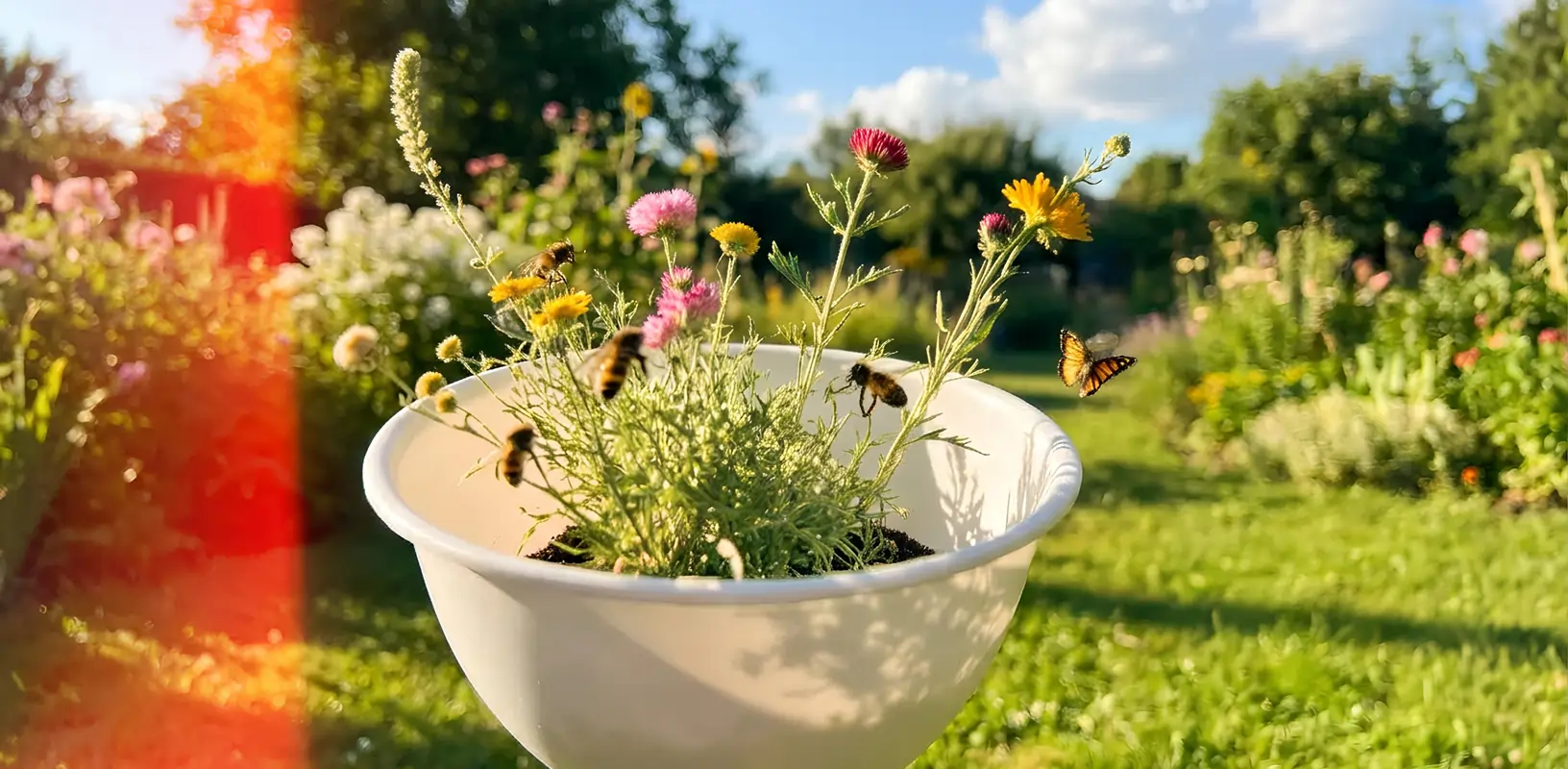
An Old Washing Up Bowl Could Transform Your Garden Into a Wildlife Haven

 Phil
Phil
PHIL ROBERTS
The Morning Show: 21st January 2026
Nature is Waiting
When Emily Lake from Cheshire Wildlife Trust walked into the studio this week, I wasn’t expecting to learn that one of the most powerful things you can do for local wildlife involves an old plastic washing up bowl.
But that’s exactly what makes conservation accessible – sometimes the biggest impact comes from the simplest ideas.
150,000 Reasons to Visit the Coast
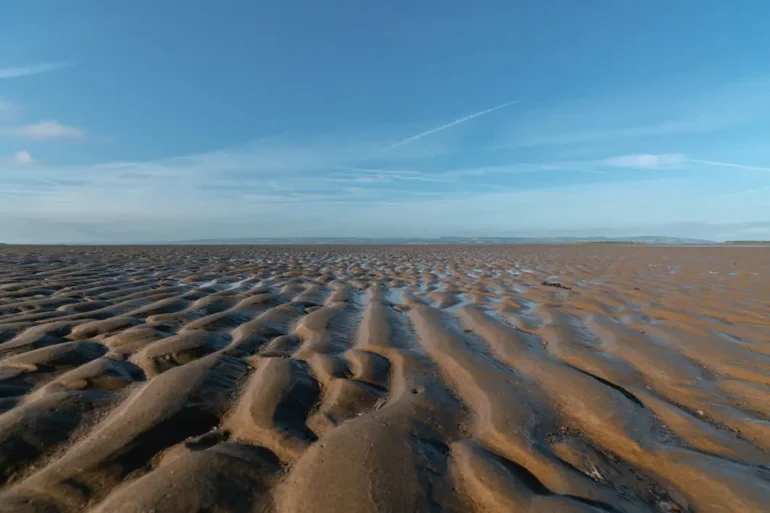
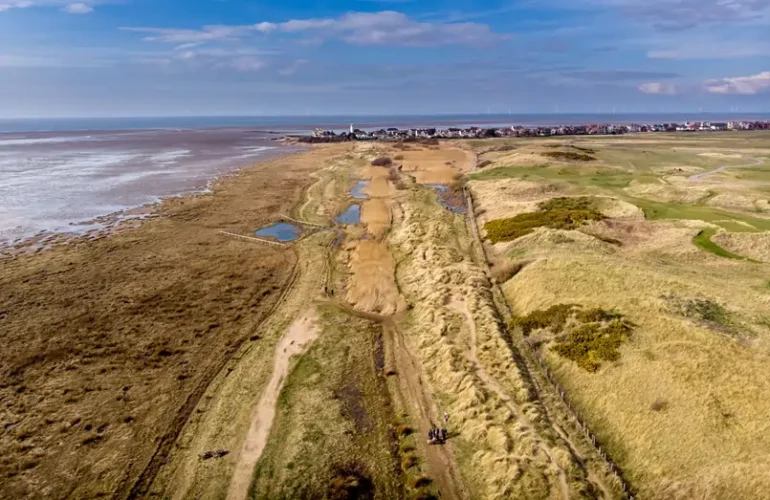
If you fancy a proper wildlife spectacle right now, Emily recommends heading to the Wirral coast.
Around 150,000 wading birds currently call the Mersey and Dee estuaries home for winter, having flown from places like Greenland and Iceland.
These aren’t just pretty visitors—they’re here on serious business. “They come here essentially to stuff their faces,” Emily explained.
When the tide retreats and reveals what looks like barren mud, it’s actually teeming with cockles, razor clams and mud snails. Birds like curlews, red shanks and black-tailed godwits use their impressive beaks to hoover up this hidden feast.
The weight they gain here will sustain them for the entire year, helping females produce eggs and males grow their breeding plumage before their tens-of-thousands-of-miles migration.
At places like Red Rocks nature reserve between Hoylake and West Kirby, you can get close enough that binoculars aren’t essential—though Emily recommends investing in a pair if birding becomes your thing.
New Brighton offers similar access to these spectacular flocks. Pack a sandwich, grab a seat, and watch nature’s theatre unfold.
You Don’t Need a Country Estate
But here’s where Emily’s message really hits home: you don’t need to trek to nature reserves to make a difference.
Urban wildlife is thriving right outside your window, and you can actively help it flourish.
“Rather than having to go out and find nature, bring nature into your space,” Emily suggested. If you’ve got a balcony, start with bird feeders and window boxes filled with wildflowers.
Got a garden? Now we’re talking transformation.
The Magic Washing Up Bowl
This is the bit that genuinely excited me. Emily swears by creating a wildlife pond—and you don’t need to dig up half your garden to do it.
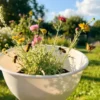
An old washing up bowl placed above ground can become a biodiversity hotspot.
Here’s the recipe: position your bowl somewhere appropriate, add some bricks or logs as access ramps (crucial—you don’t want anything getting trapped), pop in a few oxygenator plants (beg cuttings from anyone with an existing pond), fill with rainwater, and then… do almost nothing.
“Once that water has settled, you don’t have to do anything else to it,” Emily explained.
Just top it up with rainwater occasionally and divide plants if they grow too large. That’s it. The ecosystem creates itself.
What will visit?
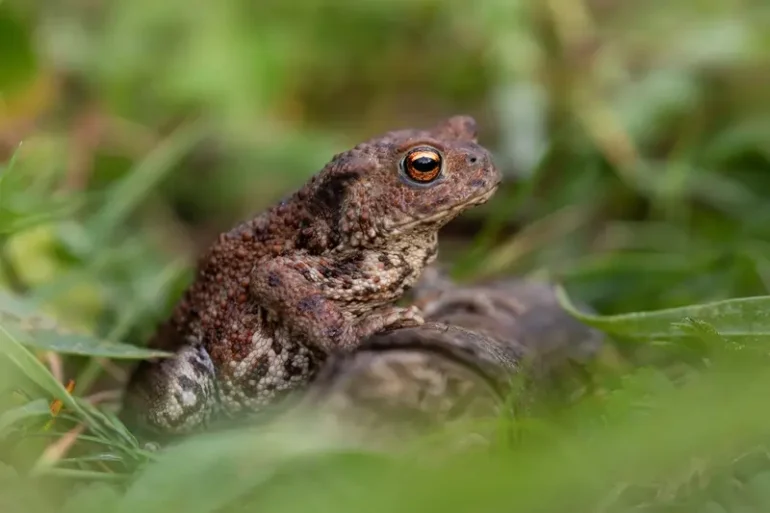
Common toads, frogs, dragonflies, butterflies, moths—even bumblebees will land on surface plants to drink.
If you’re patient, you might get frogspawn, which means kids can watch the entire tadpole-to-frog journey in real-time.
It’s entertainment, education and conservation rolled into one old bit of kitchen kit.
Emily also pointed me toward brilliant apps like Merlin (identifies birdsong instantly), Frog Life, PlantNet, and iNaturalist.
Your smartphone becomes a field guide, and you can contribute to citizen science by recording what you spot.
Join the Movement
Cheshire Wildlife Trust is offering 50% off membership throughout January—that’s £1.75 a month for a whole year.
You’ll get a welcome pack, their Wild Cheshire weekly emails, member-only events, and the satisfaction of knowing you’re helping protect 30% of land and sea by 2030. Visit cheshirewildlifetrust.org.uk to join.
And maybe dig out that old washing up bowl while you’re thinking about it.
Nature’s waiting!
Emily Lake chats to Phil in the Morning
-
 play_arrow
Create a Wildlife Haven in Your Garden Phil Roberts