
play_arrowMIX 56 CHESHIRE'S BEST MUSIC MIX

play_arrowMr Rono Mukherjee talks about BPH Meet The Consultant
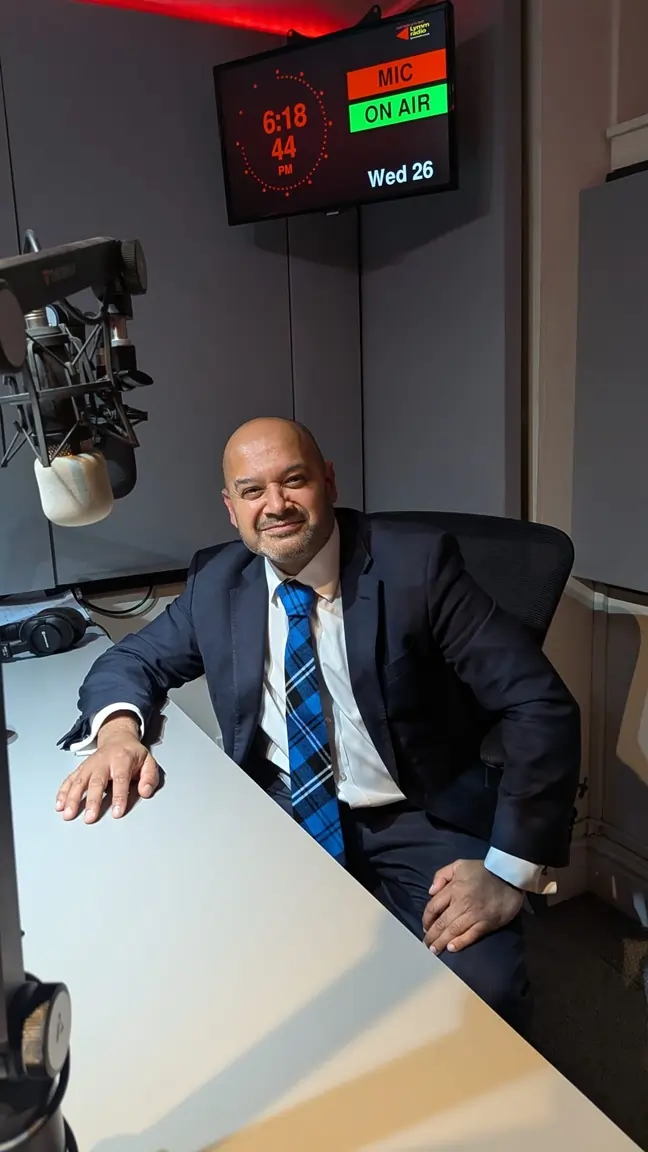
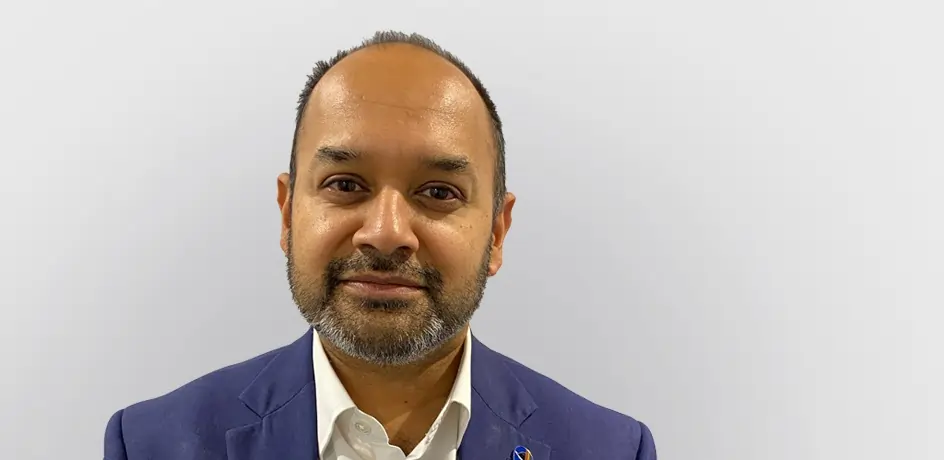
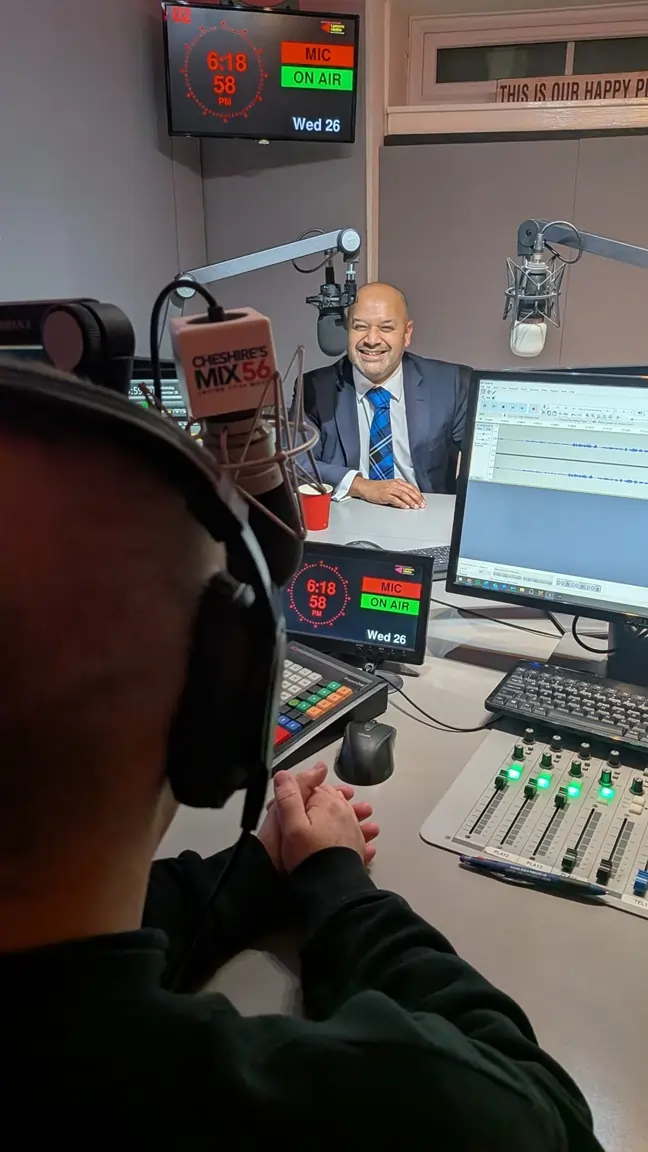
In this podcast we catch up with Mr Rono Mukherjee, Consultant Urological Surgeon at Spire Cheshire Hospital to find out more about the condition and the treatment options that are available.
BPH/BPE happens when the cells of the prostate grow more than usual, causing the gland to get bigger as men get older.
It is very common, with changes in the prostate seen in at least half of men over 60 and most men by their 70s and 80s.
The prostate sits around the urethra (the tube that carries urine out of the body), so when it enlarges it can squeeze this tube and affect urine flow.
Similar age‑related prostate enlargement is also seen in male dogs, which is why older dogs can have urinary symptoms too.
Common symptoms include a weak or slow urine stream, difficulty starting to wee, stopping and starting, and feeling that the bladder doesn’t empty fully.
Many men also notice they need to pass urine more often, especially at night, or have sudden, urgent trips to the toilet.


BPH is “benign”, which means it is not cancer and does not spread to other parts of the body.
The symptoms can be similar to prostate cancer, so it is important to get checked; BPH itself does not increase the risk of prostate cancer.
A GP or urologist may use symptom questionnaires, an examination, urine tests and sometimes a PSA blood test or scan to assess the prostate and bladder.
Mild symptoms can often be monitored, while medications can relax the prostate and bladder or shrink the prostate; if symptoms are more severe, minimally invasive procedures or surgery are available to improve urine flow.
If you would like further advice or would like to make an appointment with Mr Mukherjee, please check out his profile page at Spire Cheshire Hospital.
15B THE CROSS | LYMM | WA13 0HR | 01925 988944