Prostate cancer is the most common cancer in men in the UK, but when it is picked up early it is also one of the most treatable.
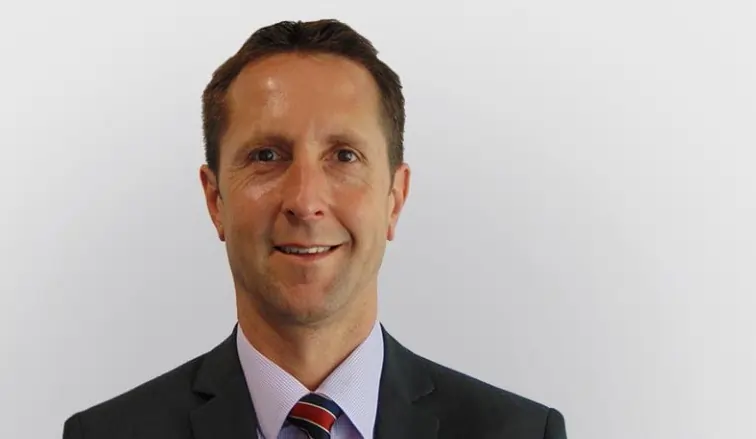
In this podcast, consultant urological surgeon Mr Ramandeep Chalokia from Spire Cheshire Hospital talks about the warning signs to look out for, how prostate cancer is diagnosed and the range of treatments now available, including some exciting new approaches using artificial intelligence.
Why this conversation matters
Prostate cancer affects the prostate gland, a small walnut‑sized organ that sits at the base of the bladder and is part of the male reproductive system.
Around 1 in 8 men in the UK will be diagnosed with prostate cancer at some point in their lives – and the risk is higher if you are over 50, have a family history, or are a Black man.
Mr Chalokia’s key message is simple: if something does not feel right, do not ignore it – get it checked.
Common signs to look out for
Many men with early prostate cancer do not notice any symptoms at all, which is why knowing your risk and talking to your GP is so important.
When symptoms do appear, they can include changes in how you pass urine, such as difficulty starting, a weak flow, needing to go more often (especially at night), or feeling that your bladder has not emptied properly.
Some men may also notice blood in their urine or semen, or persistent pain in the lower back, hips or pelvis, particularly if the cancer has spread.
How prostate cancer is diagnosed
In the podcast, Mr Chalokia explains the main tests doctors use when they are worried about prostate cancer.
These usually include a blood test called a PSA test, an examination of the prostate, and increasingly, a detailed MRI scan to help decide whether a biopsy is needed.
Together, these checks help specialists understand what is going on and whether any treatment is required straight away or if careful monitoring is the best option.
Treatment options and new advances
If prostate cancer is found, there are several effective treatments, depending on how early it is picked up and how fast it is growing.
Options can range from active surveillance (regular checks without immediate treatment) to surgery, radiotherapy, hormone therapy and newer targeted drugs.
Mr Chalokia also touches on how modern technology, including artificial intelligence, is beginning to help doctors read scans more accurately and tailor treatment more precisely to each man.
A message for Men’s Health Awareness Month
Men’s Health Awareness Month is a perfect moment to start a conversation about prostate cancer with friends, family and your GP. Mr Chalokia encourages men not to be embarrassed about urinary or prostate symptoms and to see their doctor promptly if they notice changes or have concerns about their risk.
Early detection can make all the difference, so if something does not seem right, listen to your body and get it checked – it could be one of the most important appointments you ever make.
About Mr Ramandeep Chalokia
Doctor Chalokia has been a fully qualified Urologic Surgeon for 18 years. He has a wide range of experience in managing various urologic conditions such as male urinary symptoms (Benign Prostate Hyperplasia/BPH) and their treatment such as TURP, TUIP and minimally invasive surgical treatment of Urolift for BPH.
Doctor Chalokia is employed as a full-time substantive Consultant Urologic Surgeon at Warrington and Halton Teaching Hospitals NHS Foundation Trust. He has been the Governance lead for Urology and currently serve as Clinical Director, Surgical Specialties. I have been instrumental in setting up Urolift at Warrington and Halton Teaching Hospitals NHS Foundation Trust and have been performing it under local anaesthetic.
You can find out more about Mr Ramdeep Chaloka at his official Spire Cheshire Hospital Page.

 play_arrow

 play_arrow