chevron_left
-
 play_arrow
MIX 56 CHESHIRE'S BEST MUSIC MIX
play_arrow
Hidden Disabilities Awareness Week
-
 play_arrow
Hidden Disabilities Awareness Week Dr Rosie
Hidden Disabilities Awareness Week: Seeing Beyond What We Can See
This week is Hidden Disabilities Awareness Week — a timely reminder that not every disability or long-term condition can be seen from the outside.
On this morning’s Health Update, Dr Rosie explored some of the many conditions that may be classed as a hidden disability, from ME and long Covid to mental-health conditions, bowel and digestive problems, chronic pain, sensory difficulties and more. Just because someone may look well, appear cheerful, or manage to get through the day, it does not mean they are not living with real challenges.
What is a hidden disability?
A hidden — or non-visible — disability is any disability, condition or chronic illness that is not immediately obvious to others. It can be temporary, ongoing or permanent, and it may affect energy, mobility, concentration, communication, mood, digestion, hearing, vision or the ability to cope with busy environments.
Conditions such as ME, long Covid, anxiety, depression, Crohn’s disease, IBS, chronic pain and neurological conditions can all have a major impact on daily life, even when there is no visible sign. That is why assumptions can be so unhelpful: someone may need a seat, extra time, a quiet space, or simply a little patience — without looking unwell to those around them.
The sunflower lanyard
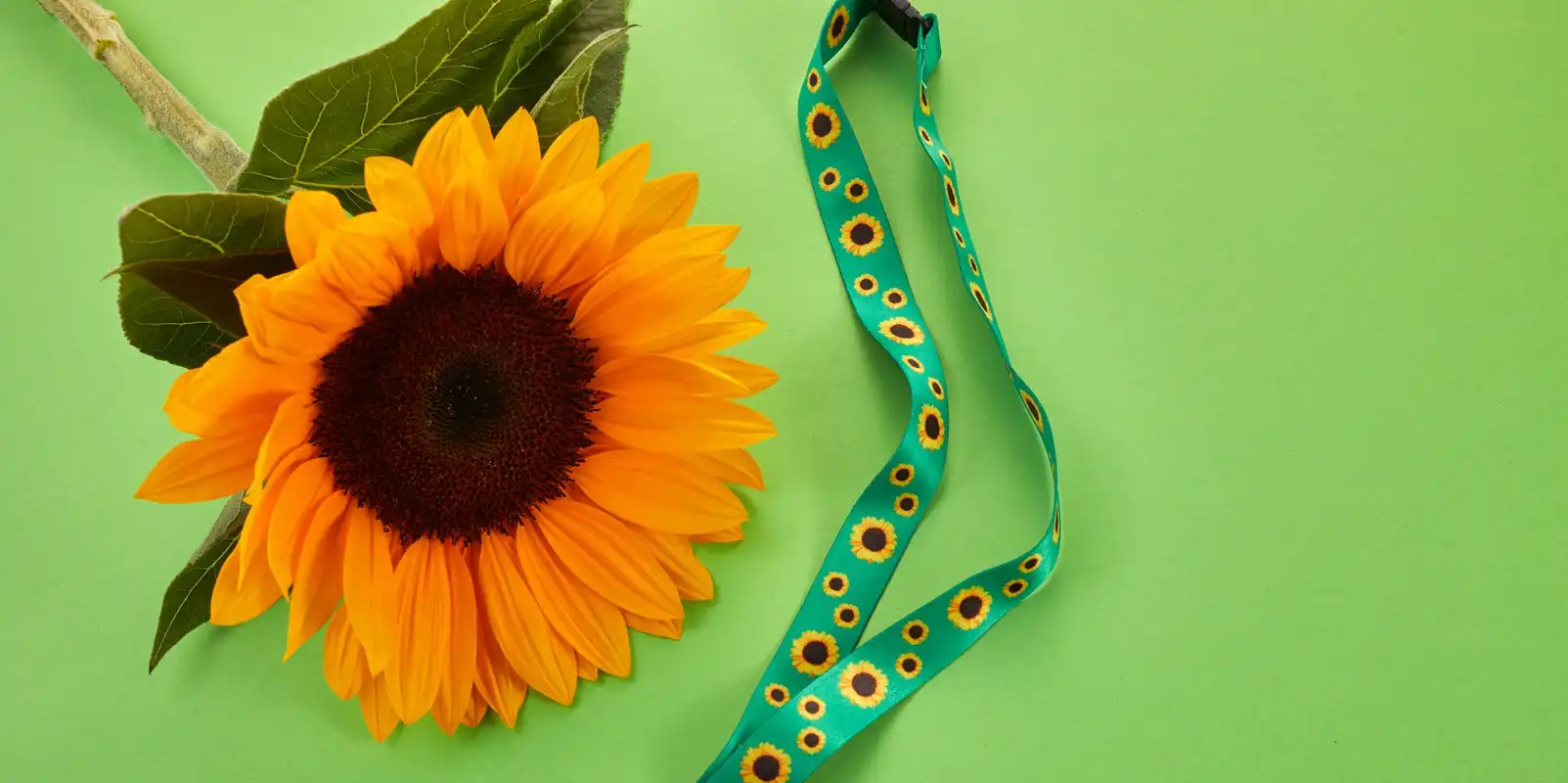
Some people choose to wear the Hidden Disabilities Sunflower lanyard. It is a simple, voluntary way to signal that they may have a non-visible disability and could benefit from a little more time, understanding or support in shops, at work, on public transport or in other public places.
Importantly, wearing a sunflower lanyard is entirely a personal choice. It does not reveal a diagnosis, and it does not mean someone wants help or wants to explain their condition. It is simply a gentle cue for kindness.
But as Dr Rosie highlighted, people should not have to wear a symbol to be believed, respected or supported. The real aim of the week is to encourage all of us to be more mindful, considerate and less judgemental — whether or not someone is wearing a lanyard.
A little kindness goes a long way
Dr Rosie shared first-hand stories of people living with hidden conditions, showing how quickly everyday situations can become difficult when others do not understand. A comment about someone “not looking ill”, a lack of patience in a queue, or an assumption that a person is being difficult can add to the burden they are already carrying.
The good news is that small changes in how we respond can make a big difference:
- Avoid making assumptions based on appearance.
- Give people time and space when they need it.
- Offer help politely, and accept “no thank you” gracefully.
- Listen without demanding explanations.
- Remember that a calm, kind response can turn someone’s day around.
Thinking differently
Hidden Disabilities Awareness Week is not about singling anyone out. It is about building a community where people feel safe, understood and included — where nobody feels they have to prove their illness or explain their needs before receiving basic consideration.
As Dr Rosie reminds us, we never truly know what someone else is managing behind the scenes. A little patience, a kind word, or simply pausing before we judge can make the world feel a great deal more welcoming.
Because sometimes the most important thing we can offer is not a solution — it is understanding.
You may also like